News
The Cost of Data Centre Downtime in 2026
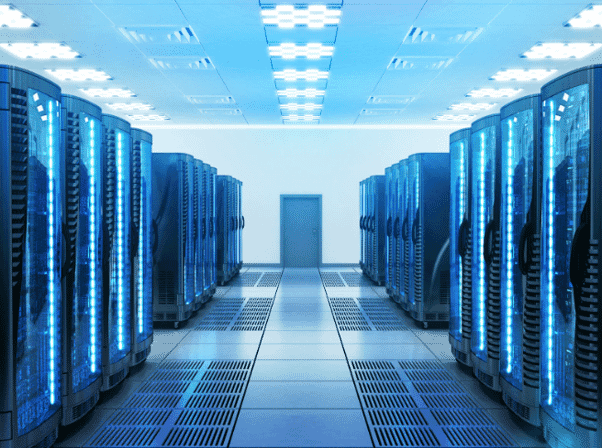
In 2026, Data Centres are no longer just part of the infrastructure, they are the infrastructure. From financial services and healthcare systems through to e-commerce and cloud platforms, organisations rely on continuous uptime to operate effectively. When that uptime is disrupted, the consequences can be immediate, widespread and extremely costly both to your operation, the businesses that rely on you for data management and the wider economy.
Understanding the cost of Data Centre downtime and how it occurs is an essential part of building strong operational resilience, particularly when non-IT failures come into play.
Downtime Costs are Rising – and not just from IT Failures
While overall outage frequency has continued to decline, the financial impact when outages do occur remains severe and continues to grow. According to a report from the Uptime Institute, more than half (57%) of respondents said their most recent significant outage cost more than $100,000, with one in five reporting costs exceeding $1depending on scale and duration.
What’s particularly important is that not all downtime originates from IT system failures. In fact, non-IT infrastructure failures, including power, cooling and fire suppression systems, are responsible for a growing share of major incidents.
Fire-related events, while less frequent, tend to be among the most disruptive. Not because of the fire itself, but because of what happens when suppression systems activate, and the building is not properly equipped to handle the pressure changes involved.
The Hidden Risk: Pressure Damage During Fire Suppression
Modern Data Centres commonly use gaseous fire suppression systems such as inert gas or clean agent systems. These are highly effective at extinguishing fires without damaging sensitive equipment, but they introduce a different kind of risk. When these systems discharge, they rapidly release large volumes of gas into a sealed environment. Without adequate pressure relief, this can cause a sudden and significant pressure increase within the room.
This results in structural damage such as walls cracking, ceilings lifting, doors failing and building envelopes being compromised. In severe cases, this damage extends beyond the data hall itself, affecting adjacent areas and requiring extensive repairs.
This is where the cost of Data Centre downtime escalates rapidly. What might have been a contained incident becomes a multi-day outage, with recovery delayed not by IT systems, but by physical infrastructure damage.
From Hours to Days: the True Cost of Extended Downtime
The Uptime Institute report shows that failures in physical infrastructure such as power and cooling systems remain a leading cause of major Data Centre outages, often resulting in longer recovery times than purely IT-related incidents. A typical IT-related outage might be resolved within hours. However, when structural repairs are required, you can expect recovery timelines to be substantially extended.
In addition to repair work, there may be safety inspections, environmental checks and compliance requirements before systems can be brought back online. During this time, operations remain offline or limited, and the financial impact continues to grow.
This includes not only direct revenue loss, but also:
- Service disruption penalties
- Reputational damage
- Regulatory implications
- Customer churn
Why Pressure Management Infrastructure Matters
In the context of business continuity and minimising damage risk, pressure relief venting becomes critical. Fire-rated pressure relief vents are designed to manage the rapid changes in pressure that occur during gaseous fire suppression system discharge. By allowing controlled air movement, they prevent the build-up of pressure that leads to structural damage.
At the same time, gas extraction systems play an equally important role. After a suppression event, these systems help remove the discharged agent from the room, enabling safe re-entry and allowing operations to be restarted more quickly.
A Small Investment with Significant Impact
When considering the cost of Data Centre downtime, it’s easy to focus on large-scale infrastructure or redundancy systems. However, relatively small investments in air pressure management can have a disproportionately large impact.
Compared to the potential cost of extended outages, often running into hundreds of thousands or millions, installing appropriate pressure relief and extraction systems represents a fraction of that risk.
Supporting Faster Recovery with Apreco Solutions
Apreco’s approach focuses on long-term reliability and performance in high-demand environments like Data Centres. Our IGV and SGV fire suppression vents are designed to handle the pressures associated with gaseous discharge while maintaining structural integrity.
Combined with GES extraction systems, they enable rapid removal of suppression agents and support faster, safer reoccupation of the space. The result is a more controlled response to fire events and a significantly reduced risk of extended downtime caused by infrastructure damage.
Protecting Uptime in a High-Stakes Environment
As Data Centres continue to grow in scale and importance, the tolerance for downtime becomes even lower. Every minute offline has a measurable impact, and every system within the facility plays a role in maintaining uptime. Understanding the cost of Data Centre downtime means looking beyond IT systems and considering the full picture, including how the building itself responds to over pressure and under pressure. By investing in the right infrastructure, particularly around fire suppression and pressure management, organisations can reduce risk, protect their assets and ensure faster recovery when incidents occur. For advice on integrating air pressure relief and gas extraction systems into your Data Centre, please contact Apreco’s technical team today.
Image Source: Canva
Article tags
data centresRecent blog articles

News
What Is A Negative Pressure Isolation Room?
Preventing infection is of fundamental importance in hospital settings to protect both patients and clinical staff. Certain infectious diseases spread…
Read article
News
Ventilation Guidelines for Healthcare Facilities: Meeting HTM 03-01 and HBN 04-01
In healthcare environments, airflow is a critical part of infection control, contamination prevention, and patient safety. From operating theatres to…
Read article
News
How to Reduce Data Centre Downtime with Air Pressure Management
Data Centres run 24/7 so any downtime will prove immediate and costly, especially if it is unplanned. While attention is…
Read article