News
What Is A Negative Pressure Isolation Room?
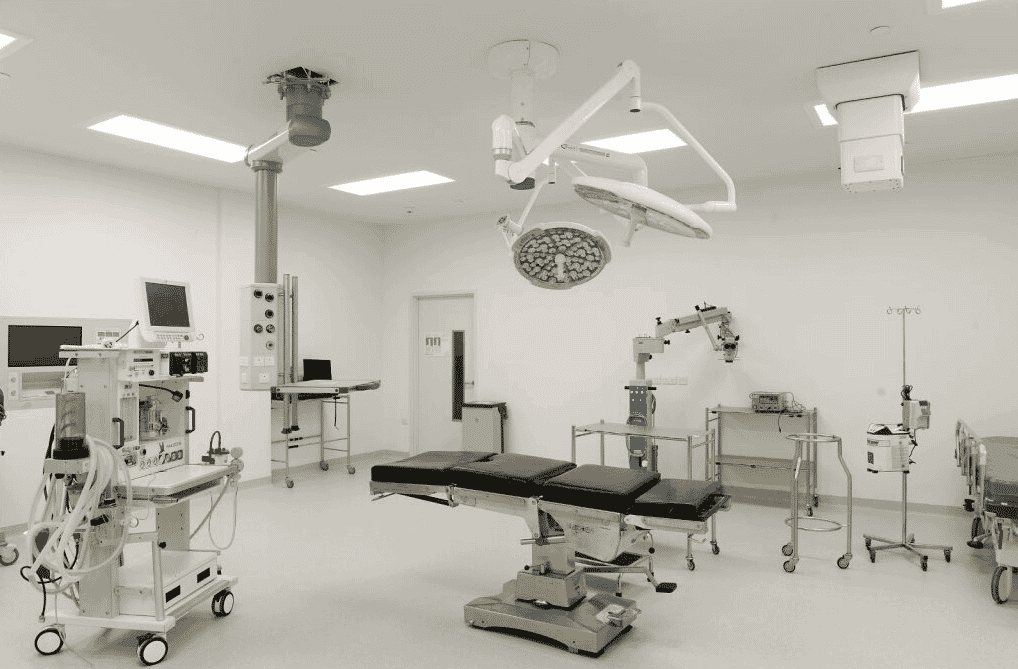
Preventing infection is of fundamental importance in hospital settings to protect both patients and clinical staff. Certain infectious diseases spread through airborne particles, meaning that even small air pressure changes can allow pathogens to escape into surrounding spaces.
A negative pressure isolation room is specifically designed to prevent this from happening. These specialised hospital rooms maintain lower air pressure than adjacent corridors or clinical areas. Because air always flows from higher pressure to lower pressure, this pressure difference ensures that contaminated air stays contained inside the room rather than escaping into the wider healthcare environment.
Understanding what a negative pressure isolation room is, and how it works, is essential for healthcare designers, estates teams and infection control specialists responsible for maintaining safe clinical environments.
Why Negative Pressure Isolation Rooms Are Essential
Airborne diseases such as tuberculosis, measles and COVID-19 can spread through microscopic particles suspended in the air. Without proper containment, these pathogens can travel through ventilation systems, door openings or pressure imbalances.
However, by maintaining a lower pressure inside the room, air from surrounding spaces is drawn inward when doors are opened. This prevents airborne contaminants from escaping into corridors or other patient areas.
This pressure strategy plays a key role in infection prevention and is widely used in:
- Infectious disease wards
- Isolation units
- Emergency departments
- Critical care environments
In these settings, where critically ill patients are often being treated, even small failures in pressure control can compromise infection containment.
Negative Pressure Isolation Room Requirements
Healthcare ventilation standards provide clear guidance on how these rooms should operate. In the UK, HTM 03-01 establishes ventilation requirements for healthcare facilities, while HBN 04-01 and its Supplement 1, Special Ventilated Isolation Facilities define the design principles for specialist clinical spaces, with HBN 04-02 applying specifically to critical care units.
A negative pressure isolation room normally maintains a minimum of −5Pascals relative to adjacent spaces where no anteroom is present, or −10 Pascals where an anteroom or lobby is provided. The appropriate target will depend on your facility’s design and the level of isolation required. On the face of it, it’s not a huge pressure change but it is enough to determine the direction of airflow within a building. It is therefore essential that a consistent pressure difference is maintained between the isolation room and adjacent spaces.
The Challenge Of Maintaining Pressure Control
Designing a functioning negative pressure isolation room is only part of the challenge. Maintaining that pressure during daily hospital operations is often more difficult. In your facility, doors open and close frequently as staff move in and out of patient rooms and every time that door opens it temporarily disrupts the pressure balance.
How Air Pressure Stabilisers Support Isolation Room Performance
Air pressure stabilisers are designed to maintain precise pressure differences between adjacent spaces, or airflow conditions fluctuate. When pressure drops due to a door opening, the stabiliser automatically reacts and closes.
Using balancing systems, the device closes to restrict airflow through the stabiliser, so that air continues to flow inward across the doorway threshold rather than allowing contaminated air to escape into surrounding areas. Once the door closes and pressure normalises, the stabiliser reopens to maintain the required airflow balance.
This automated response helps maintain isolation integrity without requiring adjustments to the ventilation system. If you run a healthcare environment that operates 24 hours a day, this passive mechanical control provides a reliable way for you to maintain safe pressure conditions.
Pressure Monitoring And Compliance
HTM 03-01 also requires continuous monitoring of differential pressure in critical clinical spaces. Visual indicators and alarm systems are typically installed to confirm that the required pressure differential is being maintained. If the pressure falls outside acceptable limits, the system alerts your staff so corrective action can be taken. This monitoring approach ensures that any isolation rooms you have on site remain compliant and continue to protect patients, staff and other hospital occupants.
Precision Matters In Healthcare Ventilation
In clinical environments, pressure control needs to be both accurate and reliable because even small pressure fluctuations can compromise infection containment. Modern air pressure stabilisers are designed to maintain precise pressure ranges across varying conditions, responding instantly to airflow changes caused by door openings, staff movement or ventilation system fluctuations.
With this level of precision, we can help healthcare facilities like yours maintain compliance with HTM guidance while protecting vulnerable patients.
Supporting Safe Healthcare Environments
Negative pressure isolation rooms play a vital role in preventing the spread of airborne disease within hospitals. However, their effectiveness depends on ensuring reliable pressure control throughout daily operations.
If you’re designing, upgrading, or maintaining isolation facilities, our engineers can advise on the right selection of air pressure stabilisers to ensure the differential pressure is always kept at the right level. Speak to the Apreco team for expert advice on pressure control systems and ongoing maintenance support.
Article tags
Air Pressure StabilisersRecent blog articles

News
Ventilation Guidelines for Healthcare Facilities: Meeting HTM 03-01 and HBN 04-01
In healthcare environments, airflow is a critical part of infection control, contamination prevention, and patient safety. From operating theatres to…
Read article
News
The Cost of Data Centre Downtime in 2026
In 2026, Data Centres are no longer just part of the infrastructure, they are the infrastructure. From financial services and…
Read article
News
How to Reduce Data Centre Downtime with Air Pressure Management
Data Centres run 24/7 so any downtime will prove immediate and costly, especially if it is unplanned. While attention is…
Read article