News
How to Maintain Negative Pressure in a Room Using Air Pressure Stabilisers
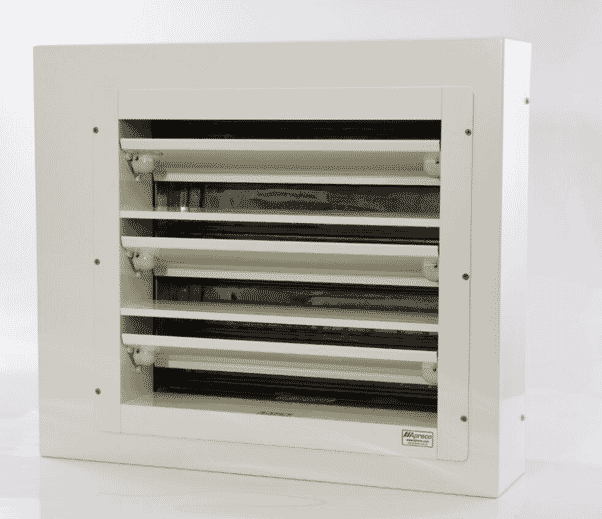
When you’re responsible for health and safety in a healthcare environment, maintaining the correct air pressure is essential for protecting both patients and staff. Even small pressure fluctuations can allow airborne contaminants and pathogens to escape into surrounding spaces, putting people at risk of illness and infection.
Understanding how to maintain negative pressure in a room is therefore vital when you’re designing or managing healthcare facilities. Without reliable pressure control, contaminated air can migrate into corridors, treatment areas or other patient spaces. By combining accurate ventilation design with effective pressure stabilisation, you can keep air flowing in the right direction and ensure contaminants remain contained.
Why Negative Pressure Matters in Healthcare Facilities
Negative pressure rooms are designed to contain airborne contaminants within a specific space. When you create lower air pressure inside a room than in surrounding areas, air flows inward when the door opens rather than outward. This prevents potentially contaminated air from escaping into adjacent areas of your facility.
Negative pressure environments are commonly used in:
- Infectious disease isolation rooms
- Tuberculosis treatment areas
- High-risk patient wards
In these environments, maintaining stable pressure conditions is essential for infection control and to keep patients safe.
Calculating Negative Pressure in a Room
Before you can maintain pressure control, you first need to understand calculating negative pressure in a room. Negative pressure is defined by the pressure difference between two adjacent spaces. In healthcare isolation environments, a minimum pressure differential of −5 Pascals relative to surrounding areas is typically required where no anteroom is present, rising to −10 Pascals where an anteroom or lobby is provided.
While these pressure levels may seem small, even a few Pascals of difference determine the direction that air flows within a building. When negative pressure is correctly calculated and maintained, airflow moves from cleaner spaces into the isolation room, preventing airborne contaminants from spreading into other areas of your hospital.
It’s important that ventilation engineers carefully calculate airflow rates, extract volumes and room leakage characteristics to achieve the required pressure differential. However, maintaining that pressure consistently during day-to-day hospital operations can be far more difficult than you think.
The Challenge of Maintaining Negative Pressure
Even if your ventilation system is designed correctly, pressure levels can change quickly during normal hospital activity. Hospitals operate continuously with staff moving between rooms and doors opening frequently throughout the day. Every time a door opens, the pressure balance between spaces can drop suddenly.
If the airflow path is not controlled, contaminated air can escape into surrounding areas, increasing the risk of illness and infection.This is why maintaining negative pressure requires more than ventilation alone. It requires a system capable of responding instantly to airflow changes.
How Air Pressure Stabilisers Maintain Negative Pressure
Air pressure stabilisers are designed to help you maintain a consistent differential pressure between rooms when the doors are closed, ensuring airflow continues to move in the intended direction.
Apreco’s VARI-centric Air Pressure Stabiliser uses balanced blade technology to respond to changing conditions. Under normal operation, the stabiliser allows airflow to pass through while helping maintain the required pressure differential. When a door is opened and the pressure balance begins to change, the VARI-centric Air Pressure Stabiliser closes, directing airflow through the open doorway instead.
This creates an invisible barrier of air across the doorway, helping to prevent unwanted particles from passing into the adjacent room. As airflow is continuously maintained, this preserves the negative pressure and any unwanted particles present are carried safely down the airflow path, moving away from patients and staff.
Once the door closes and the pressure differential is restored, the stabiliser returns to its normal operating position, allowing the ventilation system to continue maintaining the required airflow conditions.
Because air pressure stabilisers operate passively, they respond automatically to changes in airflow without the need for complex controls or adjustments to the ventilation system. This provides a reliable solution for maintaining pressure stability in busy healthcare environments, helping support infection control strategies and protecting critical spaces.
Supporting Compliance with Healthcare Ventilation Standards
In the UK, hospital ventilation systems must comply with HTM 03-01, which outlines the design and operation requirements for specialised healthcare ventilation. This guidance specifies the pressure relationships required between different clinical areas in order to protect patients and prevent contamination. Isolation rooms must maintain negative pressure relative to surrounding areas while operating theatres must maintain positive pressure to protect sterile environments.
To ensure you are compliant you must maintain these pressure relationships consistently. Our air pressure stabilisers help support this by maintaining accurate differential pressure levels even when doors open or HVAC conditions fluctuate.
Reliable Pressure Control in Healthcare Environments
Understanding how to maintain negative pressure in a room is essential for anyone responsible for healthcare facility design or operation. While ventilation systems establish the initial airflow balance, maintaining stable pressure throughout daily hospital activity requires additional control.
If you are designing or upgrading pressure-controlled healthcare spaces, our engineers can work with you to determine the most effective pressure stabilisation solution for your facility. Please Contact Us today for further information on how we can support and advise you.
Article tags
Air Pressure StabilisersRecent blog articles

News
What Is A Negative Pressure Isolation Room?
Preventing infection is of fundamental importance in hospital settings to protect both patients and clinical staff. Certain infectious diseases spread…
Read article
News
Ventilation Guidelines for Healthcare Facilities: Meeting HTM 03-01 and HBN 04-01
In healthcare environments, airflow is a critical part of infection control, contamination prevention, and patient safety. From operating theatres to…
Read article
News
The Cost of Data Centre Downtime in 2026
In 2026, Data Centres are no longer just part of the infrastructure, they are the infrastructure. From financial services and…
Read article