News
How to Prevent Cross Contamination in Hospitals using Air Pressure Stabilisers
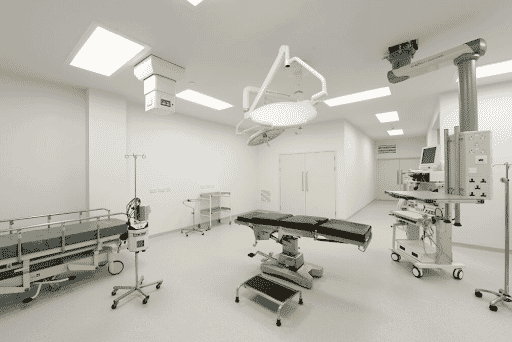
One of the biggest challenges you face when designing a healthcare facility is preventing cross contamination. Understanding how to prevent cross contamination in hospitals is essential for maintaining safe clinical spaces, where airborne contaminants can easily spread if airflow is not carefully controlled. While cleaning protocols, PPE and infection control procedures all play an important role, one of the most effective ways you can reduce contamination risk is through proper air pressure control.
By managing how air moves between different rooms and departments, you can significantly reduce the spread of infectious particles in your facility and maintain safer clinical environments for both patients and healthcare staff.
Understanding Cross Contamination in Healthcare Settings
Cross contamination occurs when harmful microorganisms or contaminants are transferred from one area to another. In healthcare environments, this can happen through direct contact, contaminated surfaces, shared equipment, or airborne particles.
Airborne transmission remains one of the most complex risks to manage. Each time a door opens, there is potential for contaminated air to migrate. Without precise airflow control, airborne pathogens can spread between spaces, increasing the risk of infection. This risk is particularly critical in sensitive healthcare environments, including:
- Isolation rooms
- Operating theatres
- Intensive care units (ICUs)
- Cleanrooms and sterile preparation areas
- Pharmaceutical aseptic preparation areas
Maintaining strict control over airflow and pressure differentials is essential to prevent contaminated air from entering sterile zones. Solutions provided by specialists such as Apreco are designed to ensure accurate room pressurisation and reliable airflow management, helping healthcare facilities maintain compliance, protect patients, and reduce the spread of infection.
Without effective systems in place, pathogens can move from contaminated areas into spaces that demand the highest levels of cleanliness, compromising safety and putting lives at risk.
The Role of Air Pressure in Infection Control
Differential pressure between rooms determines the direction air flows within a building, with air naturally moving from areas of higher pressure to areas of lower pressure. By controlling these pressure differences, you can ensure that air flows in the correct direction to contain pathogens, airborne particles and minimise or prevent infection transmission. Two main strategies are commonly used:
1. Negative Pressure Rooms
Negative pressure rooms are designed to contain airborne contaminants within a specific space. These rooms maintain lower air pressure than the surrounding areas so that when doors open, air flows into the room rather than out of it. This helps prevent infectious particles from escaping into corridors or adjacent rooms.
Negative pressure is typically used for:
- Infectious disease isolation rooms
- Tuberculosis treatment areas
- High-risk patient wards
2. Positive Pressure Rooms
Positive pressure rooms work in the opposite way. These rooms maintain higher pressure than surrounding areas, ensuring that air flows outward when doors are opened. This prevents contaminated air from entering sensitive spaces. Positive pressure rooms are commonly used in:
- Operating theatres
- Protective isolation rooms for immunocompromised patients
- Cleanrooms
- Pharmaceutical manufacturing areas
By controlling airflow direction, hospitals can protect vulnerable patients and maintain sterile environments.
Why Maintaining Pressure Balance is Challenging
While designing pressure-controlled rooms is straightforward in theory, maintaining stable pressure differences during everyday hospital activity is far more complex. Hospitals operate continuously with staff and visitors moving frequently between rooms. With doors opening many times throughout the day, the resulting pressure changes and the risk of contaminant migration can become a significant issue.
Every time a door opens, the pressure balance between spaces can be disrupted. Even brief pressure fluctuations can allow contaminated air to escape or enter sensitive environments
This is where air pressure stabilisers play a vital role, creating an invisible barrier that can prevent airborne contaminants from migrating.
How Air Pressure Stabilisers Help Prevent Cross Contamination
Air pressure stabilisers are designed to maintain a consistent differential pressure between adjacent spaces when all the doors are closed. When a door opens and pressure levels drop, the stabiliser reacts automatically.
Using balanced blade technology, the stabiliser blades close automatically when pressure drops, and the air is diverted out through the doorway. This prevents uncontrolled air movement between rooms and helps maintain the intended airflow direction.
Because our systems operate passively and respond immediately, they provide reliable pressure control without relying on complex electronic systems or constant adjustment of the ventilation system.
Supporting Compliance with Healthcare Ventilation Standards
In the UK, hospital ventilation systems are governed by HTM 03-01, the UK’s technical guidance for specialised ventilation in healthcare premises, which outlines the design and operation requirements for specialised ventilation in healthcare premises. The guidance specifies pressure relationships between different clinical areas to reduce infection risk. For example:
- Infectious disease isolation rooms must maintain negative pressure relative to surrounding areas, while protective isolation rooms for immunocompromised patients must maintain positive pressure.
- Operating theatres must maintain positive pressure to protect sterile environments.
Maintaining these pressure differentials consistently is an essential part of hospital ventilation and pressure compliance, and air pressure stabilisers can help ensure that these pressure relationships remain stable even when conditions change.
Improving Safety for Patients and Staff
Effective air pressure control provides benefits across the entire healthcare environment. Maintaining stable air pressure is therefore a fundamental part of your building’s safety and infection prevention strategy. By maintaining controlled airflow patterns in your healthcare facilities, you can:
- Reduce the spread of airborne pathogens
- Protect vulnerable patients from infection
- Improve infection control within critical care areas
- Maintain sterile conditions in surgical environments
- Stay compliant with healthcare ventilation regulations
Reliable Airflow Control in Healthcare Environments
Preventing cross contamination in hospitals requires a coordinated approach that combines ventilation design, infection control procedures, and accurate pressure management. Our air pressure stabilisers provide a practical solution for maintaining stable airflow conditions in busy healthcare environments where doors open frequently.
If you are designing or upgrading healthcare ventilation systems, our engineers can help you identify the most effective air pressure stabilisation solution for your project. Please Contact Us for further information on how we can help.
Article tags
Air Pressure StabilisersRecent blog articles

News
What Is A Negative Pressure Isolation Room?
Preventing infection is of fundamental importance in hospital settings to protect both patients and clinical staff. Certain infectious diseases spread…
Read article
News
Ventilation Guidelines for Healthcare Facilities: Meeting HTM 03-01 and HBN 04-01
In healthcare environments, airflow is a critical part of infection control, contamination prevention, and patient safety. From operating theatres to…
Read article
News
The Cost of Data Centre Downtime in 2026
In 2026, Data Centres are no longer just part of the infrastructure, they are the infrastructure. From financial services and…
Read article