News
How to Reduce Data Centre Downtime with Air Pressure Management
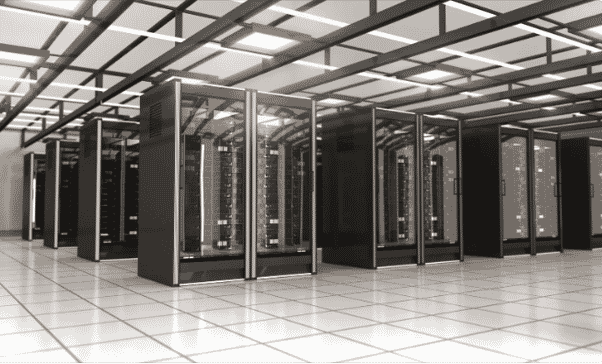
Data Centres run 24/7 so any downtime will prove immediate and costly, especially if it is unplanned. While attention is often focused on IT systems, the underlying cause of disruption is frequently linked to environmental control failures, particularly pressure-related issues.
Without effective air pressure management, events such as fire suppression discharge or airflow imbalances can result in structural damage, equipment failure and extended recovery times. By taking a proactive approach to pressure control, you can reduce these risks and improve overall resilience in your facility.
Preventing Structural Damage During Fire Suppression Events
One of the most critical scenarios in a Data Centre is a fire suppression discharge. When a fire occurs the goal is to isolate it and extinguish it as fast as possible because even small localised blazes can cause extensive damage to operations.
Your fire suppression system will usually kick in straightaway, releasing large volumes of suppression agent, inert gases such as nitrogen or argon, or synthetic halocarbon agents such as FM200 or Novec 1230 within seconds to extinguish the fire. While effective at dealing with the root cause before it has a chance to take hold or spread, the rapid discharge can cause significant internal pressure changes. Inert gas systems create over-pressure due to the large volume of gas introduced, while halocarbon systems can cause under-pressure as the agent rapidly absorbs heat and contracts. Both scenarios can create further pressure problems if not properly managed.
If this pressure is not relieved, it can:
- Damage walls, ceilings and containment systems.
- Disrupt equipment and infrastructure.
- Extend downtime due to required repairs.
Pressure Relief Vents are designed to prevent this by safely managing pressure changes during any discharge, relieving over-pressure in inert gas systems and allowing air ingress to address under-pressure in halocarbon systems, while fire-rated options ensure that this protection does not compromise fire compartmentation. By protecting the building envelope, you reduce the likelihood of prolonged outages and costly structural repairs.
Accelerating Recovery with Gas Extraction Systems
Following a suppression discharge, the environment must be cleared before operations can resume. Residual extinguishants and by-products can delay your staff’s re-entry and restart procedures if it is not properly managed.
Gas Extraction Systems can remove these gases quickly and efficiently, supporting compliance with ISO 14520-1:2023 and enabling faster recovery. This allows you to reduce the time required for safe re-entry, restore normal operations more quickly and minimise disruption to critical services. In high-availability environments, this can significantly reduce data centre downtime.
Maintaining Stable Conditions to Prevent Failures
Air pressure management is not only important during critical events, it also plays a key role in day-to-day operation. By maintaining stable differential pressure you ensure that airflow remains controlled and contamination is minimised. This helps prevent issues that can lead to equipment failure and unplanned downtime. Key benefits include:
- Reduced Ingress of dust and debris.
- Improved cooling efficiency.
- Lower risk of overheating.
- Extended equipment lifespan.
By maintaining a consistent environment, you reduce the likelihood of performance issues that can escalate into outages.
Managing Over-Pressurisation from Air Intake and HVAC Imbalances
Air pressure issues can arise from changes in air intake or HVAC system performance. Increased supply airflow, reduced extraction capacity or control system faults can all lead to gradual pressure build-up.
While less dramatic than a suppression discharge, this type of over-pressurisation can still place stress on your building structures, disrupt airflow patterns and reduce cooling efficiency which places your equipment at higher risk of contamination or failure. Integrating Air Pressure Stabilisation and Relief Systems ensures that pressure remains within safe limits under all operating conditions.
An Integrated Approach to Air Pressure Management
To reduce downtime, you need to take an integrated approach rather than address each issue individually. It requires a level of coordination that takes into account air pressure control across the entire facility, not just in a single area.
Apreco’s integrated solutions combine:
- IGV and SGV Pressure Relief Vents for Fire Suppression Systems.
- GES Gas Extraction Systems for Rapid Recovery.
- APSX Air Pressure Stabilisers for Maintaining Differential Pressure
Together, these systems provide a comprehensive approach to managing air pressure, protecting infrastructure and maintaining reliable operation. Designed and manufactured in the UK, Apreco solutions offer consistent quality and performance and excellent availability.
Building Resilience into Your Data Centre
Reducing downtime starts with identifying risks before they become critical issues. By incorporating air pressure management into both design and ongoing maintenance strategies, you can improve resilience and ensure your facility continues to operate reliably.
When air pressure is properly controlled, you benefit from reduced risk of structural damage and faster recovery following a fire outbreak. More generally it improves your facility’s environmental stability and gives you greater confidence in the system’s performance.
What Next?
If you are looking to reduce Data Centre downtime, reviewing your current air pressure management strategy is a practical and effective place to start. Apreco engineers can work with you to assess your system, provide calculation support and help implement solutions that protect your operation long term. Contact Apreco today to find out more.
Image Source: Canva
Article tags
Data Centre Airflow ManagementRecent blog articles

News
What Is A Negative Pressure Isolation Room?
Preventing infection is of fundamental importance in hospital settings to protect both patients and clinical staff. Certain infectious diseases spread…
Read article
News
Ventilation Guidelines for Healthcare Facilities: Meeting HTM 03-01 and HBN 04-01
In healthcare environments, airflow is a critical part of infection control, contamination prevention, and patient safety. From operating theatres to…
Read article
News
The Cost of Data Centre Downtime in 2026
In 2026, Data Centres are no longer just part of the infrastructure, they are the infrastructure. From financial services and…
Read article