News
What Makes Fire Safety Pressure Relief Vents Essential in Data Centres?
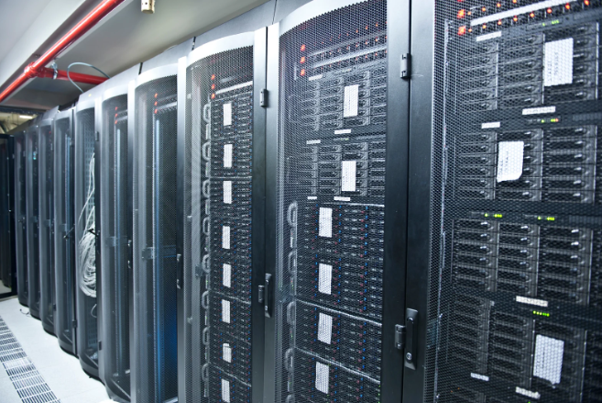
When you consider Data Centre fire safety, the conversation is most likely to focus on detection systems and suppression agents. While these are an essential part of the puzzle, there’s another element which is often overlooked but just as important to protecting both infrastructure and uptime. Air Pressure.
In modern Data Centres, fire suppression systems using inert gas or synthetic agents are designed to effectively extinguish fires quickly without damaging sensitive equipment. However, the discharge of these systems creates rapid changes in air pressure that, if not properly managed, can cause serious structural damage. This is where pressure relief vents are a core part of a safe and effective Data Centre fire suppression system.
The Hidden Risk Behind Fire Suppression Systems
Gaseous fire suppression systems protect enclosed spaces by discharging extinguishing agents into the hazard area. Inert gas systems, such as IG-55 and Inergen, suppress fire by reducing the oxygen concentration to a level that will not sustain combustion, while synthetic agents, such as FM-200 and Novec 1230, extinguish fire primarily through heat absorption and interruption of the combustion process. The rapid discharge of these agents creates pressure changes within the protected enclosure. Without properly designed pressure relief venting, these pressure differentials can exceed the structural limits of walls, ceilings, doors, raised floors, and other enclosure components, potentially causing damage.
In some cases, it can even compromise fire compartmentation, allowing smoke or fire to spread beyond the intended area. This means that without proper pressure management, a system designed to protect your facility can unintentionally create additional risks.
Why Pressure Relief Vents are Critical?
Pressure relief vents are designed to manage the pressure changes that occur during the discharge of gaseous fire suppression systems. By allowing air and agent-induced pressure to be relieved in a controlled manner, they help prevent excessive overpressure and underpressure within the protected enclosure.
Fire-rated pressure relief vents provide an additional level of protection. In addition to managing pressure, they are designed to maintain the fire-resistance rating and compartmentation of the enclosure. This ensures that pressure is safely relieved without compromising the building’s overall fire protection strategy.
In practical terms, pressure relief vents help to ensure that:
- Structural damage to walls, ceilings, doors, raised floors, and other enclosure components is prevented.
- Fire compartmentation and containment are maintained.
- Post-discharge inspection, repair, and recovery time are minimised.
Correct vent sizing is critical to achieving these objectives. The required vent area depends on several factors, including the room volume, enclosure leakage characteristics, discharge rate, and the type of suppression agent used. Vent sizes may range from standard units, such as 300mm through to fully customised solutions designed to meet the specific requirements of the protected space.
Inert Gas Vs Synthetic Agents: Why it Matters
Not all fire suppression systems behave in the same way, and this directly affects pressure relief requirements. Inert gas systems typically require larger quantities of agent to achieve the required extinguishing concentration. As a result, they generally generate higher enclosure overpressure during discharge and often require larger pressure relief vents or venting solutions with greater flow capacity.
Synthetic clean agents behave differently. Because lower agent volumes are typically required, the pressure effects during discharge are generally less severe than those associated with inert gas systems. However, synthetic agent discharges can still produce both overpressure and underpressure conditions within the protected enclosure. The magnitude and duration of these pressure changes depend on factors such as the agent type, discharge characteristics, enclosure construction, and room leakage.
For this reason, pressure relief systems should be designed to accommodate the pressure profile generated by the specific suppression system, ensuring that both overpressure and underpressure remain within the structural limits of the protected enclosure.
The Role of Gas Extraction Systems
Once a fire suppression system has been discharged, the environment inside the Data Centre is no longer immediately safe for personnel. Gas extraction systems are used to remove the suppression agent from the space, restoring safe conditions for re-entry and allowing equipment to be restarted. Without extraction, this process can take hours, delaying recovery and extending downtime. With an effective gas extraction system in place, this timeframe can be reduced significantly, often to minutes.
This has a direct impact on business continuity. The faster the space can be made safe, the faster operations can resume. In the context of Data Centre fire safety, extraction systems form an intrinsic part of any plans to minimise the disruption which occurs during an outage.
Protecting Infrastructure and Uptime
The importance of pressure relief vents becomes clear when you consider the potential consequences of not having them. Without proper venting, structural damage can occur during discharge and fire compartmentation can be compromised. It can also significantly increase recovery times and lead to extended downtime. However, with the right systems in place, these risks are mitigated. Pressure is managed safely, the building remains intact and the path to recovery is far more controlled.
Apreco’s Approach to Pressure Management
Apreco provides a range of solutions specifically designed to support Data Centre fire safety. Our IGV vents use a counter-weighted design engineered specifically for the over-pressure venting demands of inert gas systems, while SGV Dual Flo vents provide bi-directional pressure relief for the unique positive and negative pressure dynamics of synthetic agent discharge. Both are built to deliver reliable performance under demanding conditions.
In addition, GES gas extraction systems enable rapid removal of suppression agents, supporting faster re-entry and reduced downtime.
All vents are third party fire tested and backed by UKAS ISO 9001:2015 certification, covering design, manufacture, assembly and supply, ensuring consistent quality and performance.
Making Pressure Management a Priority
When designing or upgrading a Data Centre fire suppression system, it’s easy to focus on detection and extinguishing capabilities. But without effective pressure management, even the best preventative measures can fail you when you need them most. By integrating these systems from the outset, you can ensure your data centre is fully prepared, not just to respond to fire, but to recover quickly and safely.
For product selection, fire-rated options and expert technical support, please contact Apreco’s technical team today.
Image Source: Canva
Article tags
fire suppression systemRecent blog articles

News
What Is A Negative Pressure Isolation Room?
Preventing infection is of fundamental importance in hospital settings to protect both patients and clinical staff. Certain infectious diseases spread…
Read article
News
Ventilation Guidelines for Healthcare Facilities: Meeting HTM 03-01 and HBN 04-01
In healthcare environments, airflow is a critical part of infection control, contamination prevention, and patient safety. From operating theatres to…
Read article
News
The Cost of Data Centre Downtime in 2026
In 2026, Data Centres are no longer just part of the infrastructure, they are the infrastructure. From financial services and…
Read article